

Land of Possibilities
Brasilia
After so many years saying that I wanted to go to Brasilia, I finally went at the beginning of this year. I have to admit that is was an eye-opening experience. Before going, I was single-minded about just witnessing Oscar Niemeyer’s masterpiece. However, I found a whole world of collaboration among urbanists, engineers, artists, and, of course, dreamers.
Trying to explain what it feels like to be inside such a utopian place is like explaining how it feels to be in the middle of winter: you have to be there to fully experience it. Brasília is not only the buildings and the city, it’s the feeling of being in a place like no other. Having said that, I will do my best to bring you a story that started once upon a time… in Brazil.
The Dream
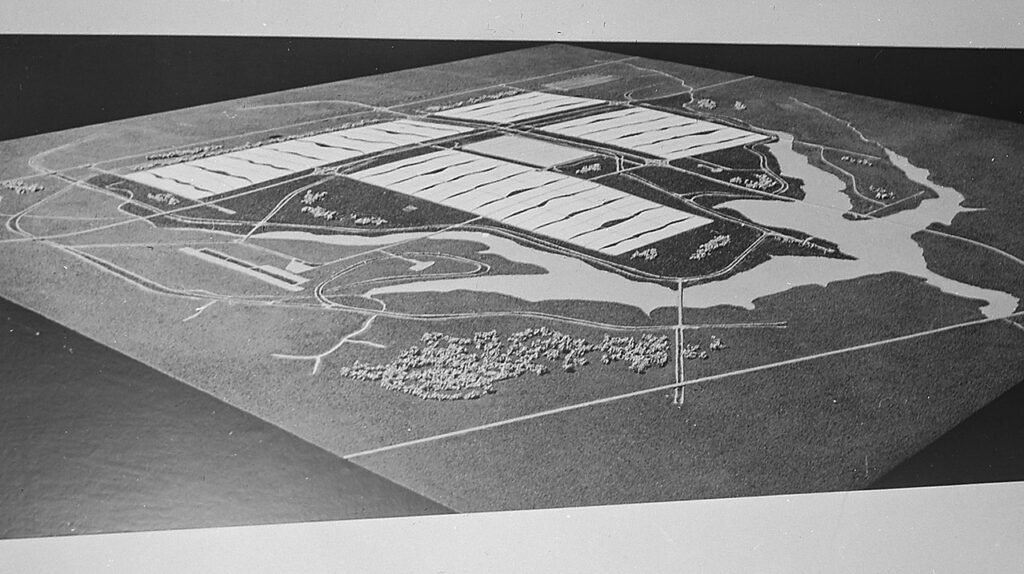
Plano Piloto Maquette
Brasília was created from scratch. Literally, there was really not much on that piece of land, but a big vision of progress. A place in which government and people would be united by equality. The first person who thought of creating a new capital in a more central part of Brazil was President José Bonifácio in 1823, but it wasn’t until 1922 that the first stone of the new capital was laid in a symbolic ceremony, and in 1955 the Commission for a New Federal Capital chose the site. The next year, when President Juscelino Kubitschek was elected, the construction of Brasília started as part of the “Fifty years’ progress in five” promise he made while running for office.
The Project
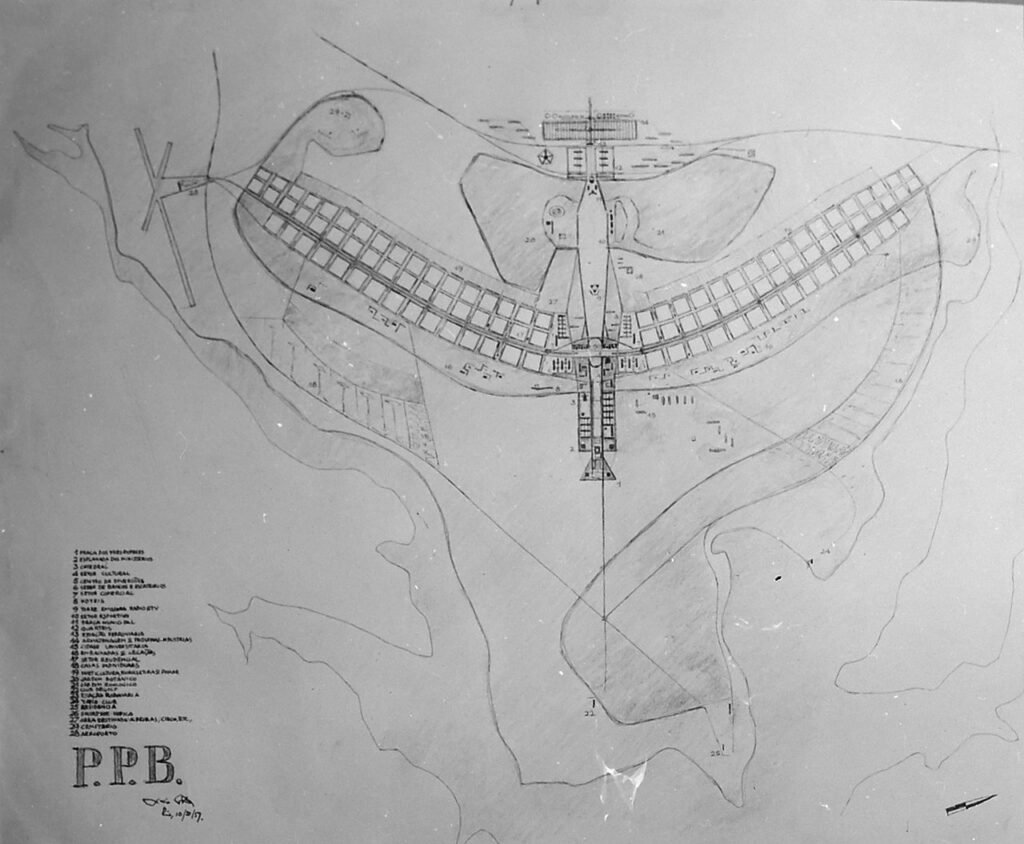
Plano Piloto Sketch
Brasília was built in approximately 41 months, from 1956 to 1960, when it was officially inaugurated. At the time of the inauguration, only a few buildings were completely finished, but President Kubitschek didn’t want to end his presidential term without this accomplishment. Construction continued until the early 2000s, but most of it was finished by the 1980s.
In 1987, the United Nations Educational, Scientific, and Cultural Organization (UNESCO) declared Brasília a World Heritage Site in acknowledgment of its unique place in the history of urban planning. Later, it was named a “City of Design” by UNESCO in October 2017 and has been part of the Creative Cities Network since then.
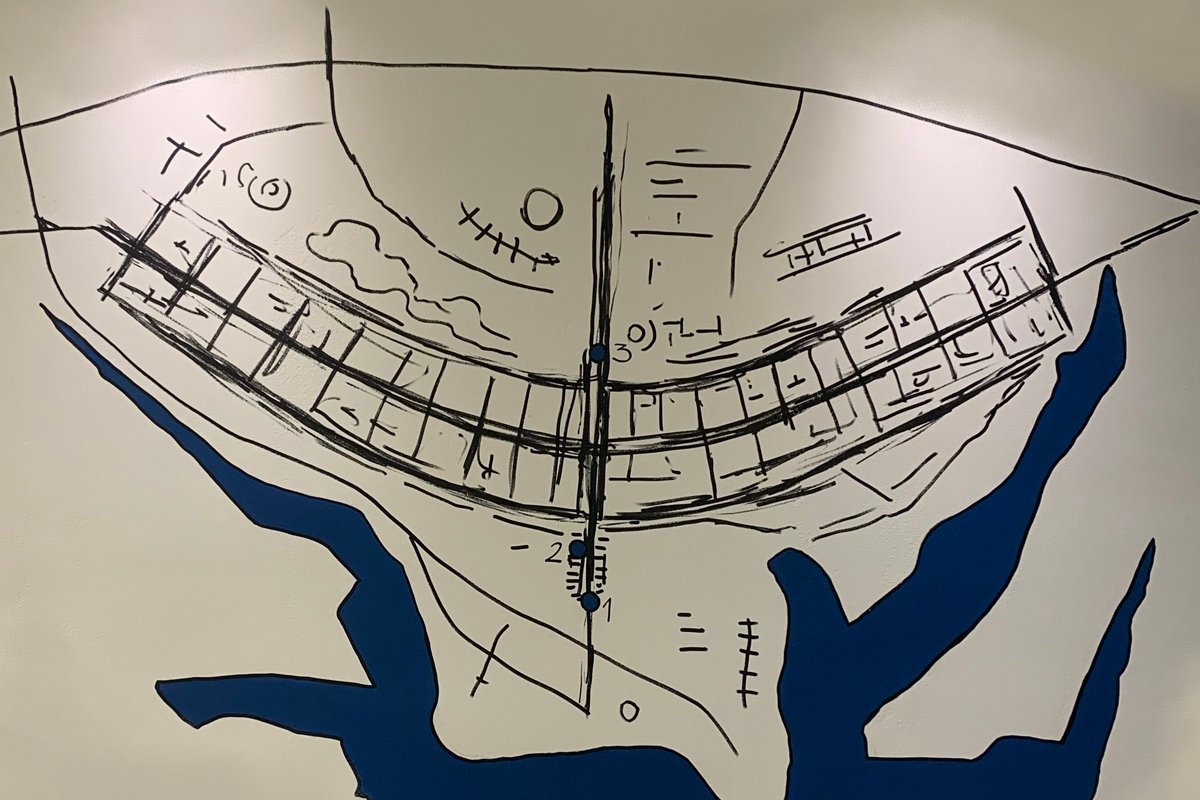
The Plano Piloto – city’s layout – resembles an airplane, which I find captivating. Some people say the reason is that Alberto Santos Dumont, a Brazilian aviation pioneer, was the true inventor of the airplane; others say it’s because the city was planned during the height of the Jet Age; and there are other interpretations of the layout as a cross or a bird.
Following the airplane concept, the cockpit is where the presidential palace, the supreme court building, and the national congress are located. The fuselage is where the cultural area is located, between a pair of immense avenues that contain the library, the cathedral, the museum of contemporary art, and the television/radio tower. The wings are where the residential areas are located, with all the infrastructure needed to be self-sufficient.
One of the main objectives of the plan was to allow the free flow of traffic. The intention was to establish the concept of modernity at every level. It was the era of the automobile, after all. Along with it, there was also a very well-planned bus system for people who could not afford a car.
The Team
Brasília had a real dream team. They were all remarkably talented and innovative. Some of them became known for their work not only in Brazil, but around the world. Most of them were Brazilian – some by birth, others by naturalization – but all of them embraced the principles of that beautiful nation.
The ones I am including in this story are the main characters who made Brasília possible. However, the number of skilled people who were part of this ambitious project was enormous, and for that reason it is almost impossible to name them all.
Oscar Niemeyer,Chief Architect
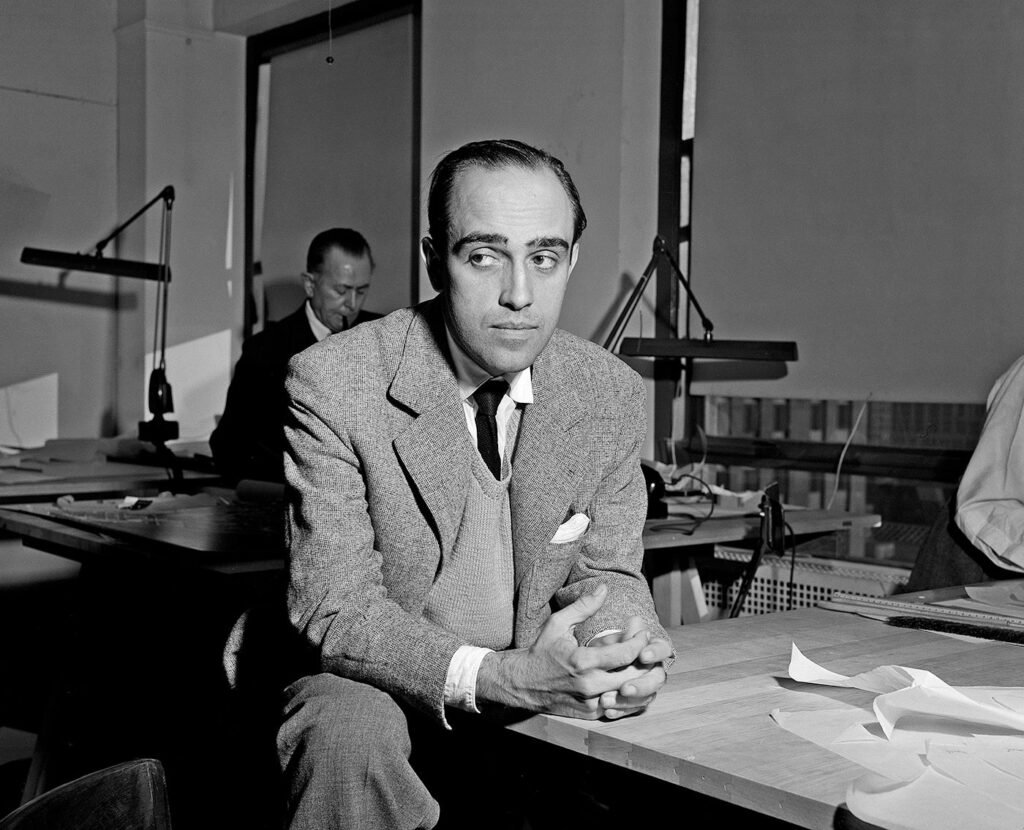
Niemeyer was a pioneer of modern architecture, renowned for creating flowing, curvy buildings made of reinforced concrete. Some of his most famous buildings outside Brasília are the Copan Building in São Paulo, the Museu de Arte Contemporânea in Niterói, the United Nations building in New York, the French Communist Party headquarters in Paris, and the Oscar Niemeyer Cultural Centre in Avilés, Spain, among others.
Lúcio Costa, Urbanist
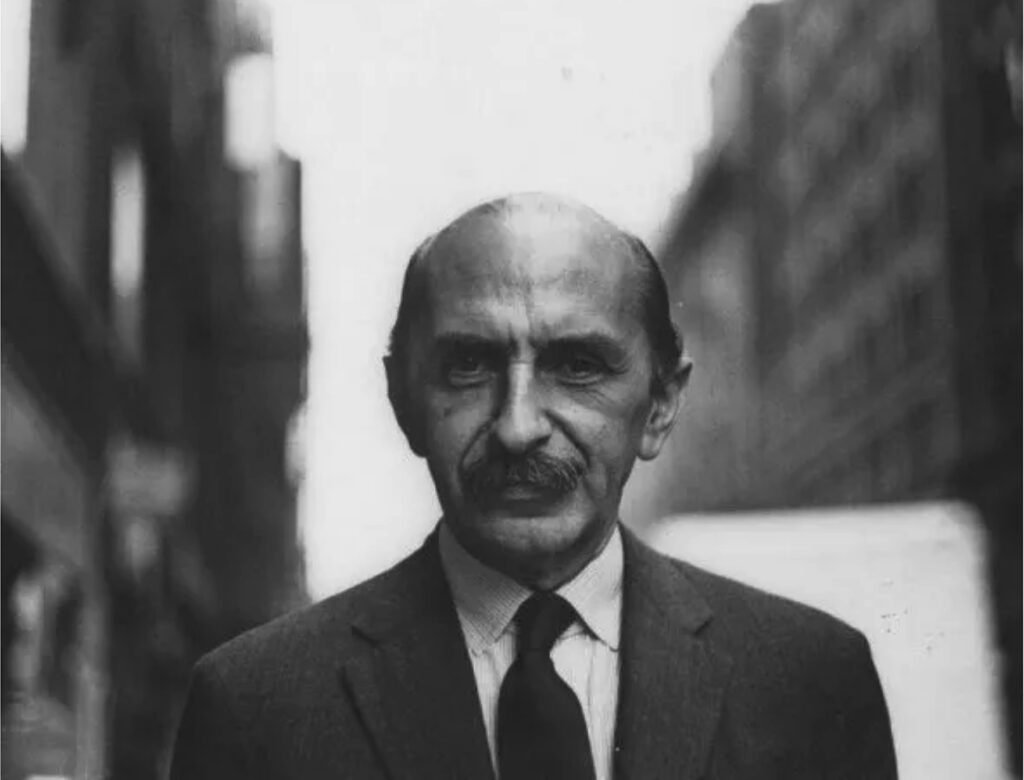
Costa was a groundbreaking architect and urban planner. He was a key figure in introducing International Modernism to Brazil, adapting European functionalist principles to local climate and cultural contexts. Most of his work was done in Brazil, some examples are the Gustavo Capanema Palace and the master plan for Barra da Tijuca, a neighborhood in Rio de Janeiro. However, he was also part of some overseas projects, such as the Brazil Pavilion at the New York World’s Fair in 1939 and the Casa do Brasil at the Cité Internationale Universitaire de Paris.
Joaquim Cardozo, Structural Engineer
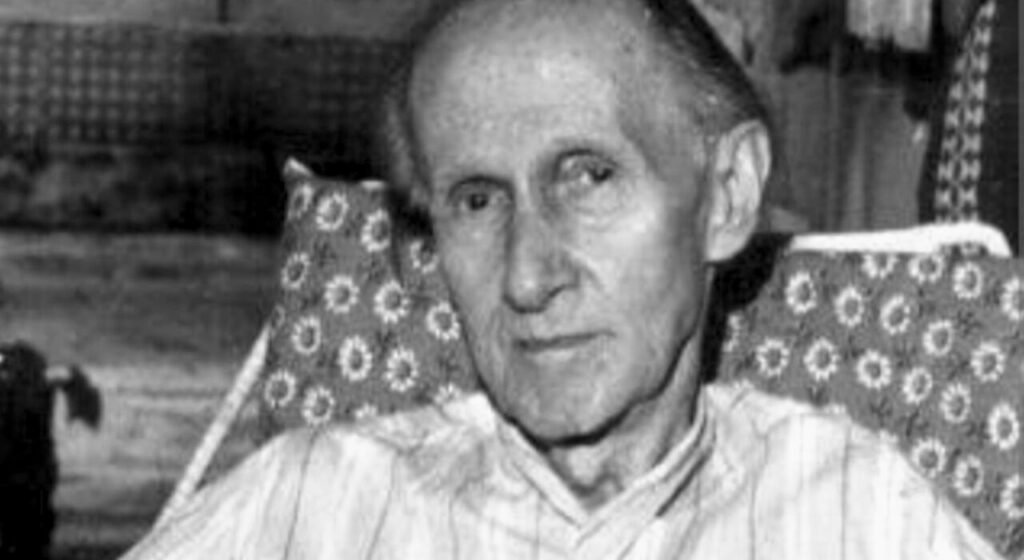
Cardozo was more than just an engineer; he was also a poet, writer, university professor, translator, editor of art and architecture magazines, designer, illustrator, caricaturist, and art critic. He was also a polyglot, knowing about fifteen languages. He worked very closely with Niemeyer on many of his projects, inside and outside Brasília, such as the Church of Saint Francis of Assisi in Recife, the Maracanãzinho (“Little Maracanã”) in Rio de Janeiro, and the Igrejinha Nossa Senhora de Fátima in Brasília.
Roberto Burle Marx, Landscape Architect
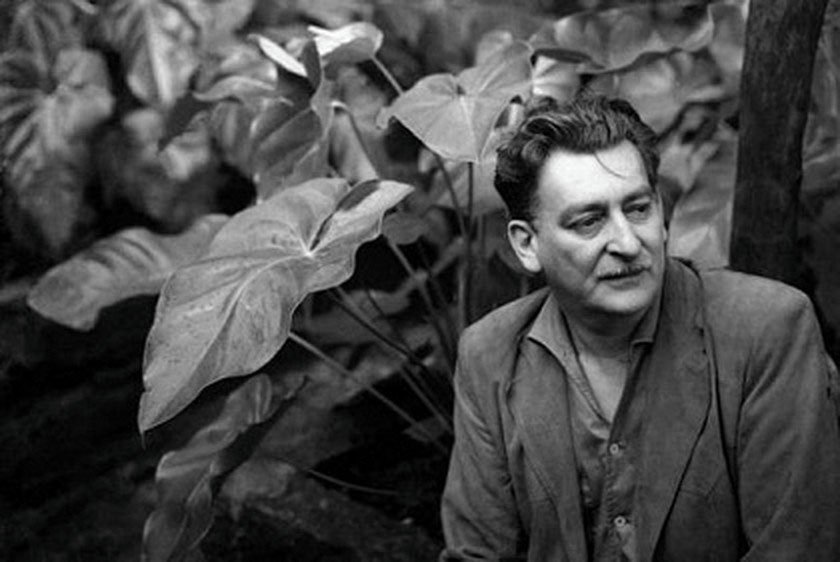
Burle Marx was a landscape architect, artist, and conservationist who revolutionized garden design by introducing modernism and native tropical flora into public and private landscapes. He designed more than 2,000 gardens, often utilizing abstract, geometric, and painterly shapes to create “living works of art”. Among his works are Parque Ibirapuera in São Paulo, the Copacabana Promenade in Rio de Janeiro, and Parque del Este in Caracas, Venezuela.
Marianne Peretti, Artist
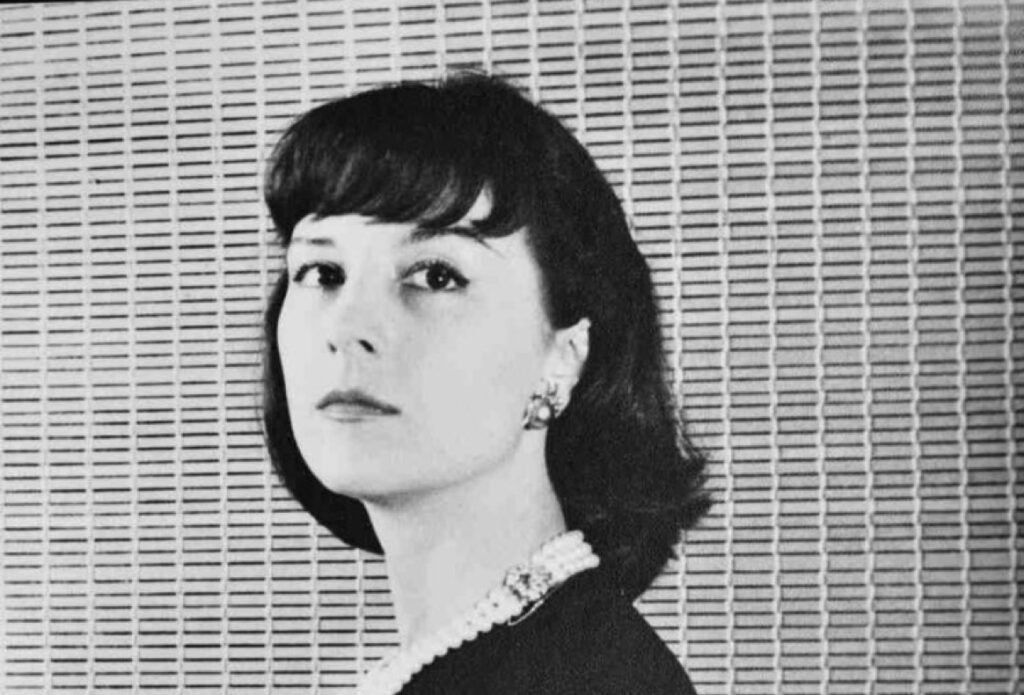
Peretti was a painter, sculptor, and draftsperson. Most of her work was dedicated to creating stained-glass windows, sculptures, and reliefs for public buildings and private residences. Her work outside Brasília includes the headquarters of Manchete magazine in Rio de Janeiro, the Burgo Building in Italy, and the Maison de la Culture du Havre in France.
Athos Bulcão, Artist
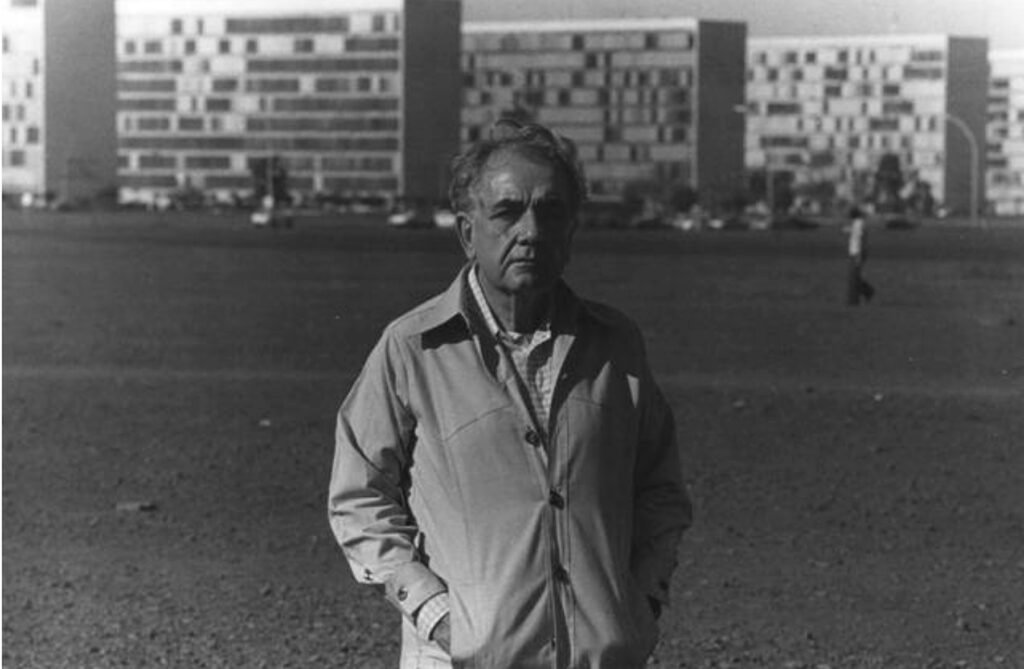
The artistic trajectory of Athos Bulcão was dedicated to the general public. Most of his art is not in museums or galleries, but in public spaces. He brought the traditional Portuguese tile heritage to the next level. Some of his most relevant pieces are in Brasília, but there are others as well, such as the Brazilian Embassy in Cabo Verde, Editora Mondadori in Milan, Teatro Estadual de Araras in São Paulo, and the Sambódromo in Rio de Janeiro.
The Buildings
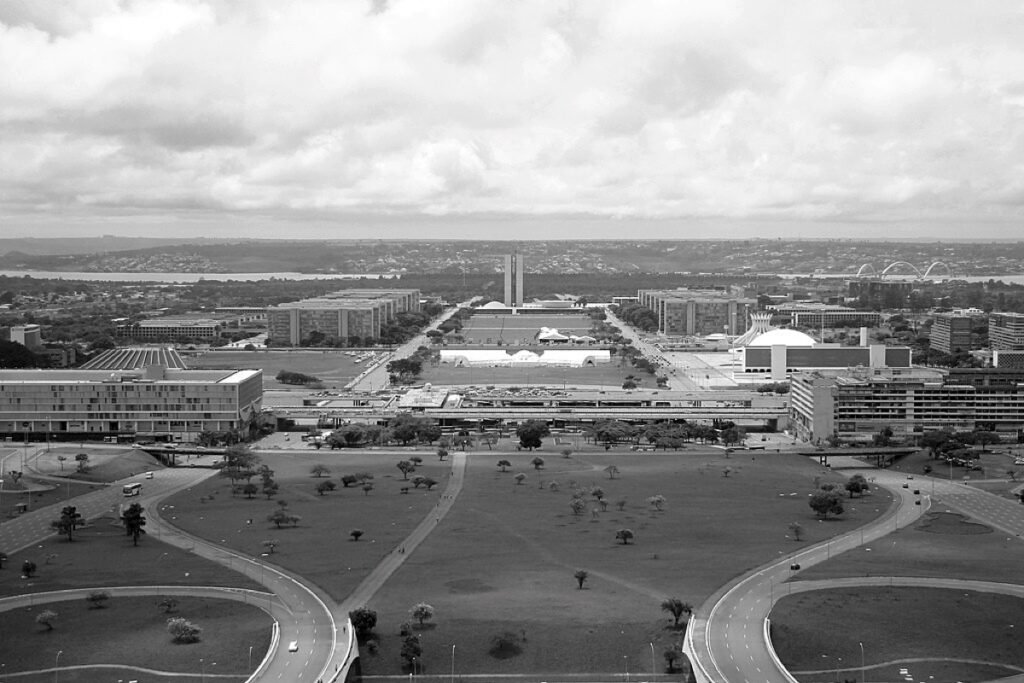
Monumental Axis – Eixo Monumental
Initially, I wanted to include every building in one article, but I realized that it would make it too long so I decided to do a brief introduction to the most important ones, and review them separately in the future.
Most of the relevant buildings that were originally conceived for Brasília are located along the Monumental Axis (Eixo Monumental), the main avenue of the city, except for the Palácio da Alvorada, the Brasília Palace Hotel, and the Superquadras. Other buildings, such as the Panteão da Pátria e da Liberdade, the JK Memorial, and the JK Bridge, were included later.
Palácio do Planalto
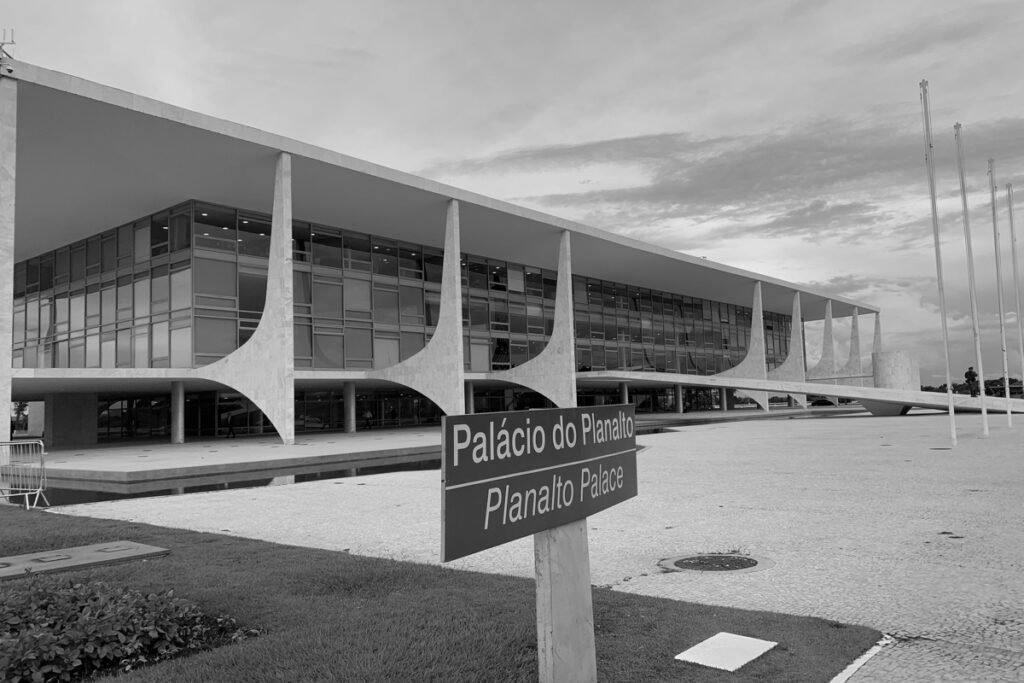
It is the official workplace of Brazil’s president and part of the Praça dos Três Poderes. The vice president and the chief of staff also work in this building. This makes it the seat of the Executive Power.
Palácio do STF - Supremo Tribunal Federal
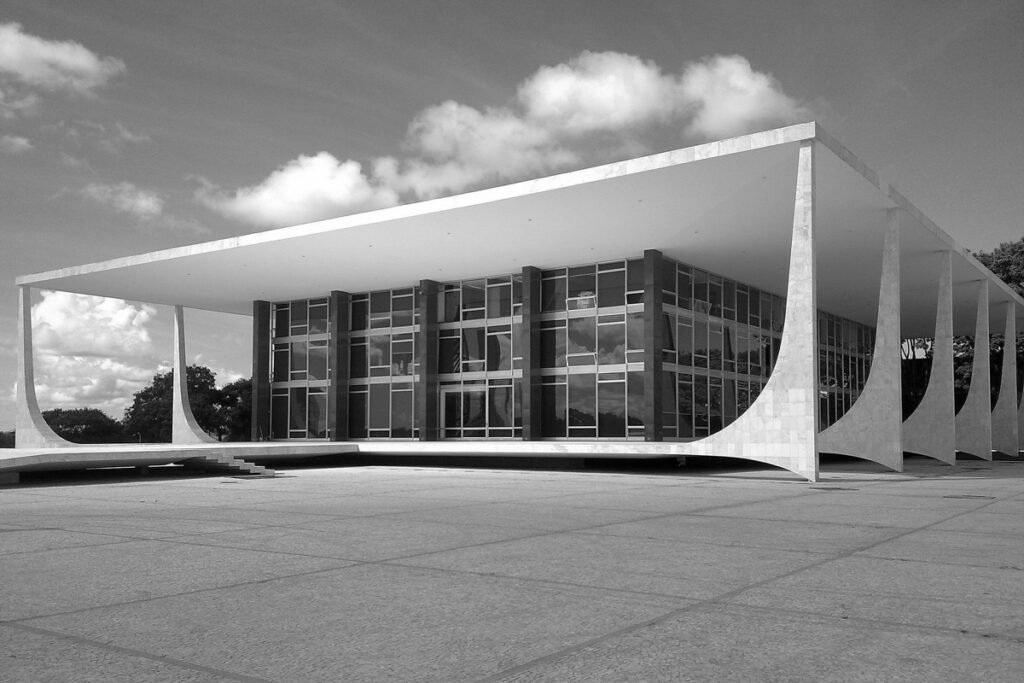
The Supreme Federal Court Palace is the seat of the Supreme Federal Court, Brazil’s highest appellate and constitutional court. It is also part of the Praça dos Três Poderes.
Palácio do Congresso Nacional
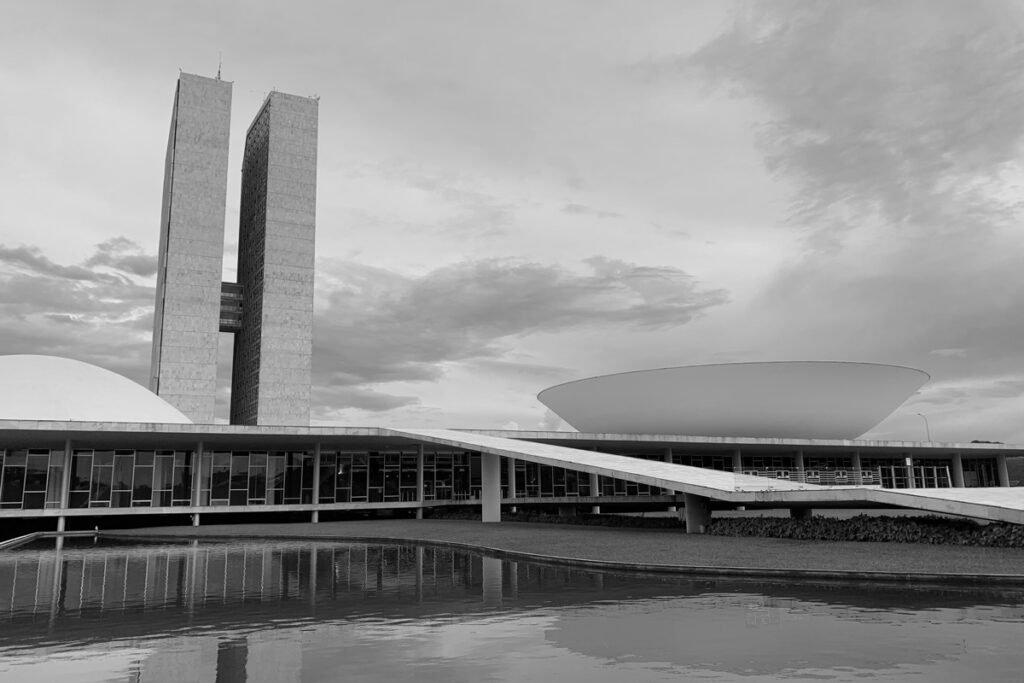
This is the headquarters of the Legislative Power. The building is located in the middle of the Monumental Axis, the main avenue of Brasília. Even though it represents the legislative branch of government, the building is not located directly on the Praça dos Três Poderes. However, together with the Palácio do Planalto and the Palácio do STF, it creates a perfect triangle that completes the trilogy of governmental powers
Palácio Itamaraty
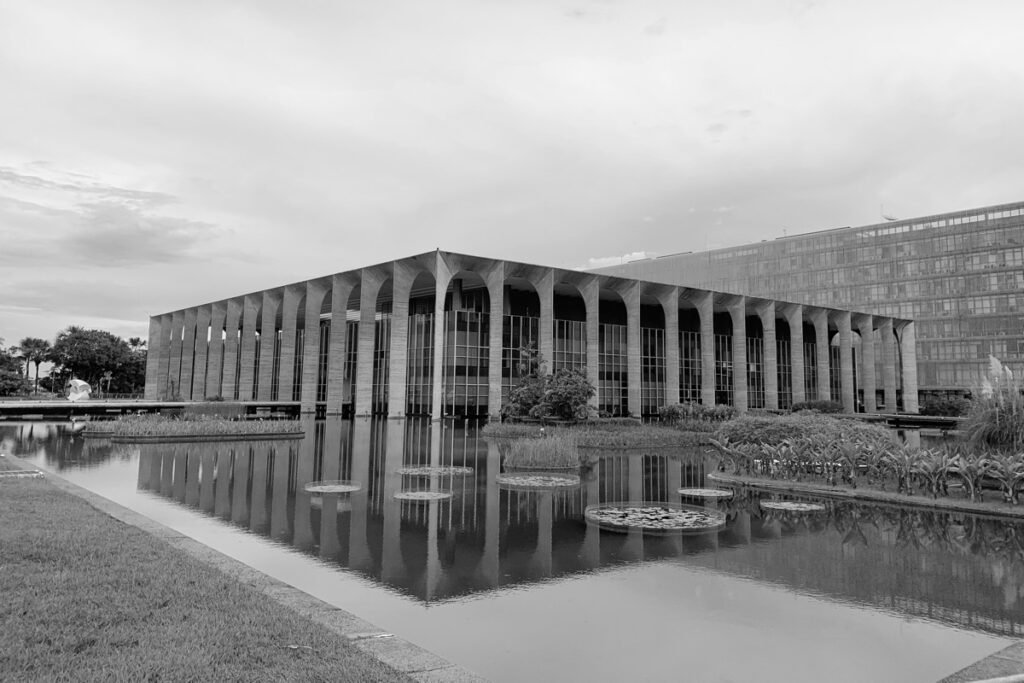
This building is also known as the Palace of Arches – Palácio dos Arcos. It houses the Ministry of Foreign Affairs and is located east of the National Congress. This gorgeous building has one of the most exquisite and iconic spiral staircases of last century’s contemporary architecture.
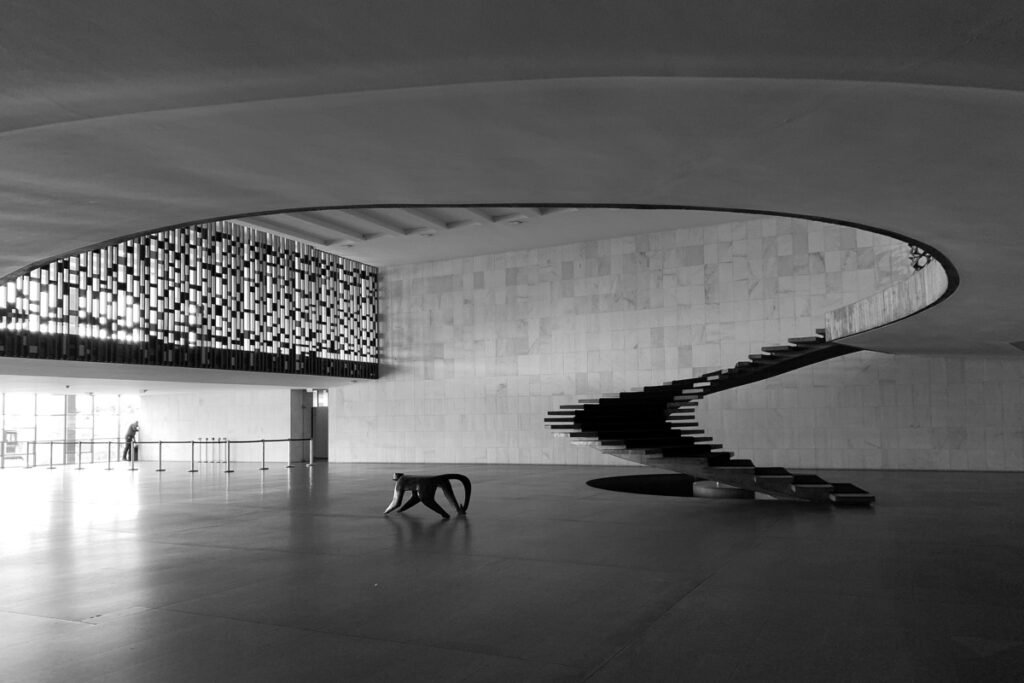
Palácio da Justiça
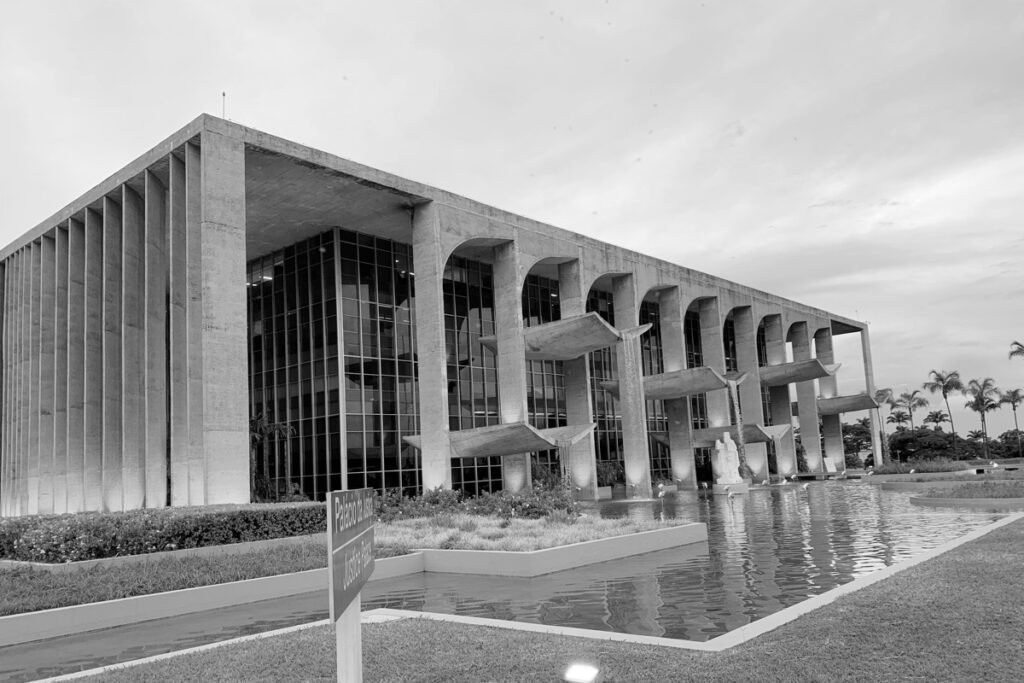
It is the official seat of the Ministry of Justice. It is located right across from the Palácio Itamaraty. This is not a coincidence; it is a metaphor for the relationship between the Justice Department and the Ministry of Foreign Affairs.
Palácio da Alvorada
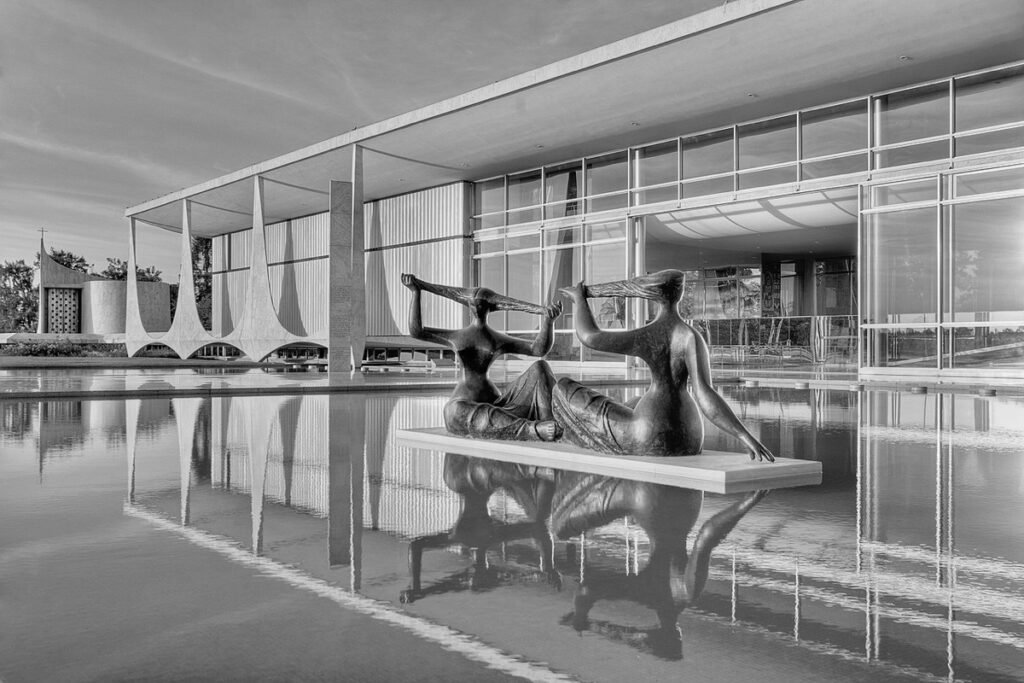
This is the official residence Brazil’s President. It is located on Lake Paranoá, outside the Eixo Monumental, for safety and privacy reasons. This building also hosts official and social receptions so the Brasília Palace Hotel was built nearby to accommodate the people who would attend to these events.
Esplanada dos Ministérios
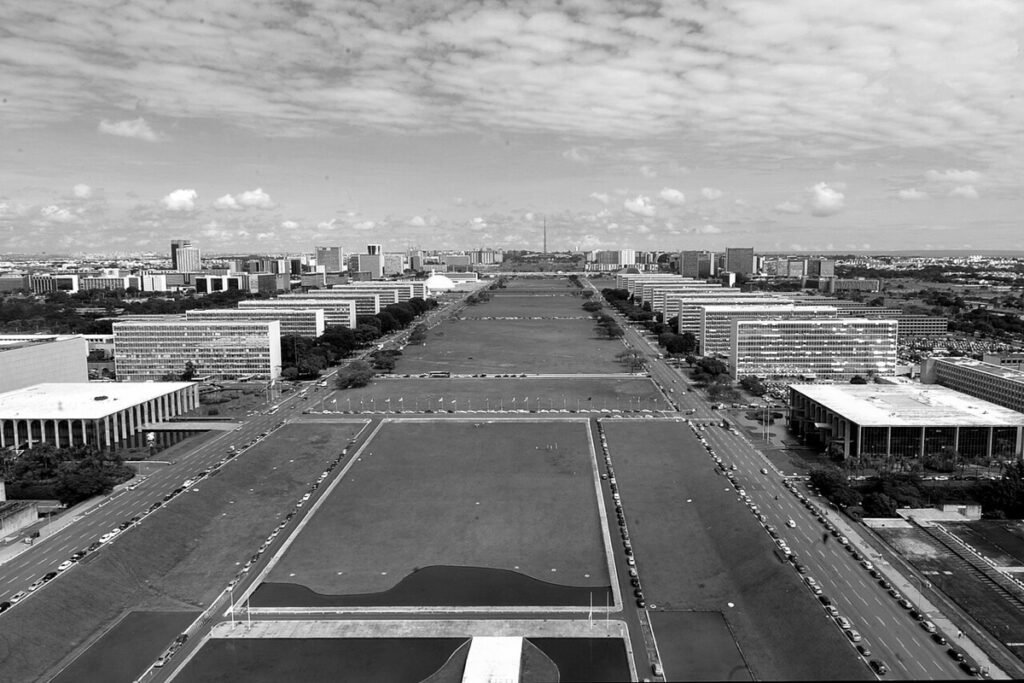
This complex is made up of 17 identical buildings, each housing a different government ministry. It is located between the Congress and the Cathedral.
Catedral Metropolitana
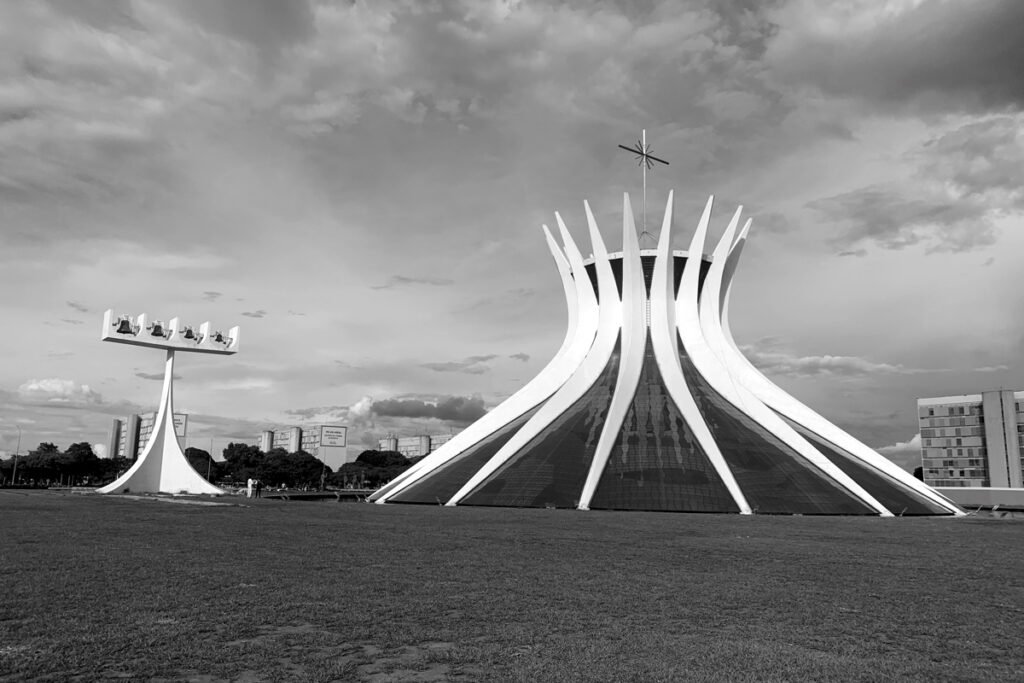
It is a very iconic Catholic cathedral that stands at the centre of the Monumental Axis. It is a defining symbol of the nation’s relationship with the Catholic faith and a meeting point for many people in Brasília.
Complexo Cultural da República
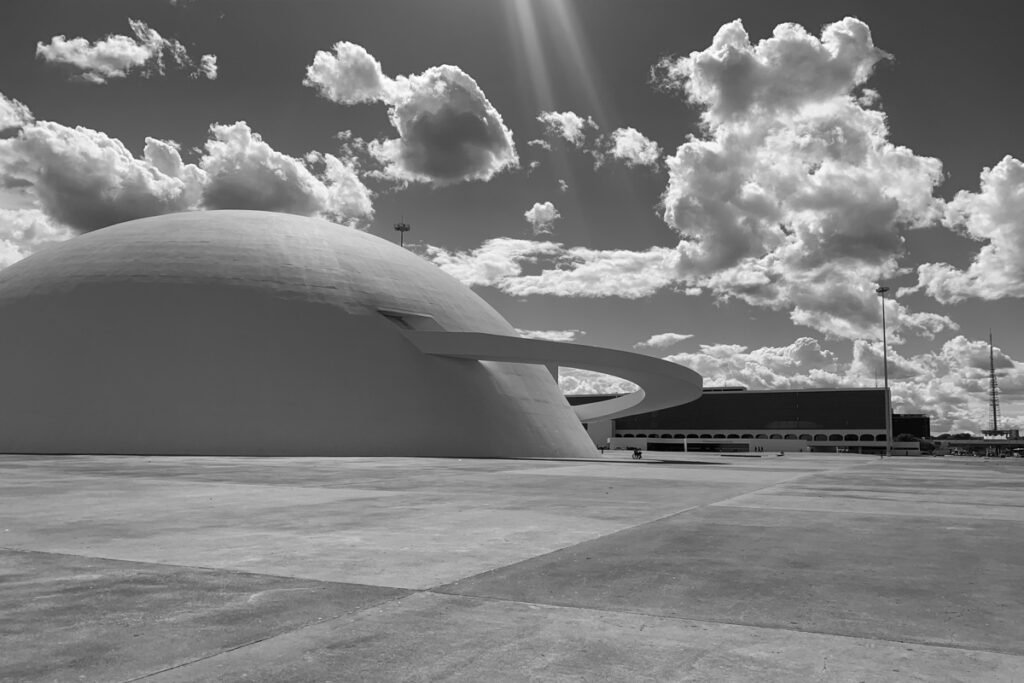
This cultural complex houses the Museu Nacional and the Biblioteca Nacional de Brasília (National Museum and National Library of Brasília). It is located in the South Cultural Sector of the city, within walking distance of the Cathedral.
Torre de TV de Brasília
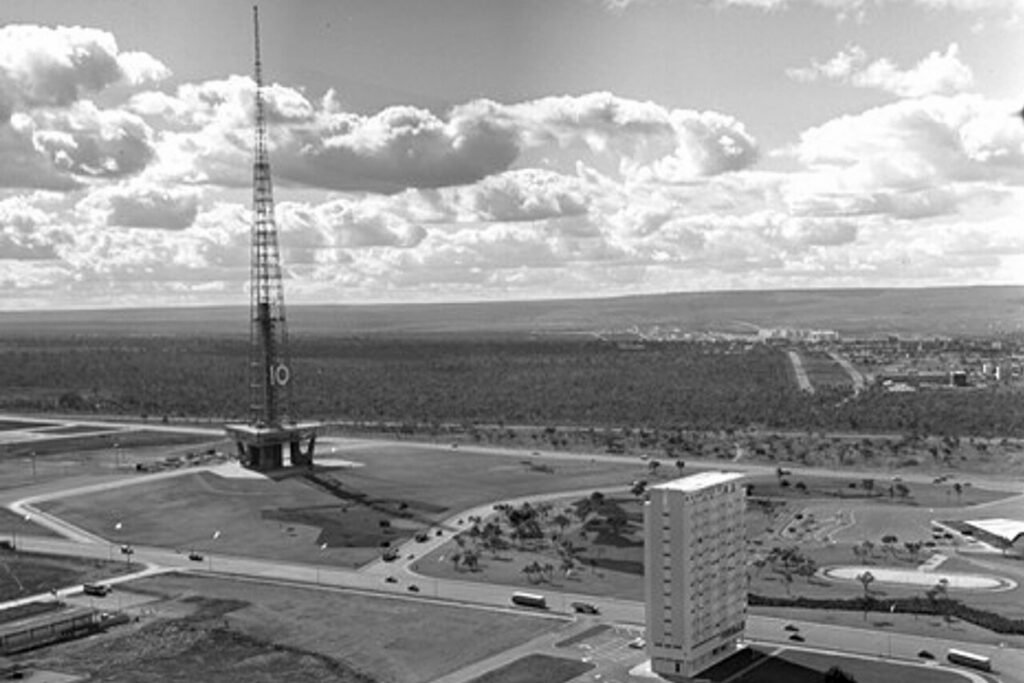
It is located at the top of the Monumental Axis, surrounded by the Burle Marx Garden. Besides the tower itself, there is a belvedere and the Museum of Gems. From there, it is possible to see much of the Plano Piloto.
Superquadras
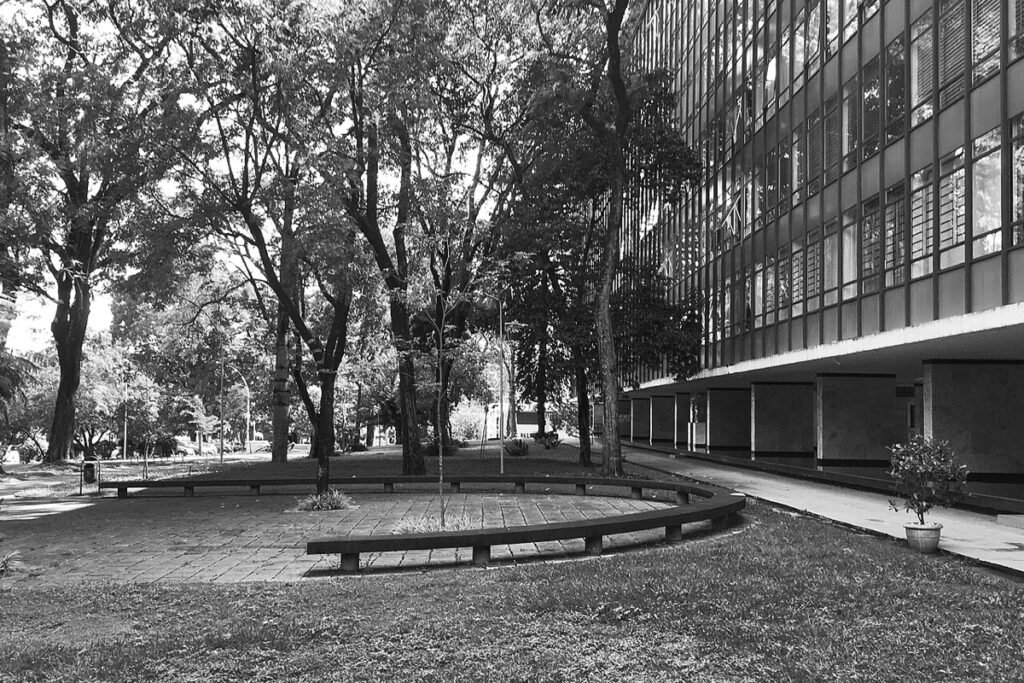
This building complex has 96 residential buildings (blocks), each six stories tall, located transversely from the Monumental Axis. It was envisioned to accommodate the city’s residents and was designed with self-sufficiency in mind.
The Reality
Kubitschek’s “Fifty years’ progress in five” became “Fifty years’ inflation in five,” because financing this ambitious project resulted in out-of-control inflation. After the inauguration of Brasília, the nation fell into political and economic turmoil.
In 1964 there was a coup d’état against President João Goulart that resulted in a right-oriented military dictatorship that lasted twenty years. During the dictatorship, construction in Brasília did not stop, but the original blueprints of some buildings changed or were completely ignored. On top of that, some of the key figures – including Niemeyer and Costa – were persecuted or forced into exile because of their left-leaning political tendencies.
Ironically, the completion of Brasília under the dictatorship also contributed to the national debt. Unfortunately, the dream of social equality became a symbol of authority and segregation. The initial plan for the superquadras was to mix all social classes, but only the very wealthy could afford to live there, and the suburbs became the residences of the middle and lower classes.
Another factor that was not taken into account was that during Brasília’s construction a large number of migrants came from all over the country to build it. They were supposed to leave at the end of the project, but instead they stayed and started some of the satellite cities that still exist. As a result, the government had to add more bus routes and create the metro system to cater for all those areas.
The Legacy
Brasília remains a fascinating paradox. It was born from one of the most ambitious dreams of the twentieth century. Yet, like many great dreams, reality shaped it in unexpected ways. The perfect balance between government, people, and urban life proved to be far more complex than any blueprint could anticipate.
Still, walking through Brasília today feels like stepping inside an idea. The curves of Niemeyer’s buildings, the open horizons of Costa’s plan, the gardens of Burle Marx, and the artistic interventions of Bulcão and Peretti remind us that this city was conceived not only with concrete and steel, but with imagination. Perhaps Brasília’s greatest achievement is to shows us what can be achieved when a nation dares to dream on a monumental scale.
Image credits
Acervo Arquivo Nacional
Acervo Fundaçao Athos Bulcão
Acervo Agência Brasilia
Ichiro Guerra – Ministério da Cultura
Mario Roberto Durán Ortiz
Everton137
Gabriel Fernandes
Limongi
Cristina Rowe
